

Ask for the world’s most expensive fabric and you will hear several answers: spider silk, vicuña, perhaps a heavily embroidered silk. They are all luxurious in different ways. The key is to decide whether you mean a unique museum textile, a fibre sold for clothing, or a finished garment.
Why is there no single answer?
Fabric prices vary by fibre quality, supply, labour, design, provenance and the date of sale. A one-off artwork cannot be compared fairly with a metre of cloth from a commercial mill. A finished coat includes pattern cutting and craftsmanship, while raw fibre has not yet become fabric. Rankings that give one dramatic number without saying what was measured are usually misleading.
Spider silk: an exceptional textile
The Victoria and Albert Museum describes a golden spider-silk shawl and cape made with silk collected from more than one million female golden orb-weaver spiders in Madagascar. The project required years of work and many skilled makers. These are extraordinary museum pieces, not pillowcase fabric sold by the metre. Their rarity says more about the labour and uniqueness of the project than about a stable market price.
Vicuña: a valuable wearable fibre
Vicuña fibre comes from an Andean camelid and is used in high-value clothing. Supply, conservation and the way fibre is harvested are central to its value. A CITES case study describes live shearing, regulated trade and the role of local communities in Bolivia. It is a useful example of a rare luxury fibre with a real clothing market, though prices change by seller and product.
Where does mulberry silk rank?
Mulberry silk is produced from silkworm cocoons. It is a premium natural fibre, but it is far more available than a one-off spider-silk artwork. Its price reflects fibre grade, fabric weight, weaving, finishing and construction. For a pillowcase, check the actual fibre content, size and care instructions instead of assuming a higher price always means better quality.
Silk and satin are often confused. Satin is a weave, not a fibre. A polyester satin item and a mulberry silk item can both look glossy while having different materials and prices. Our silk vs satin guide explains the distinction.
What should a shopper compare?
- Fibre: Is the fabric actually silk, vicuña or a synthetic alternative?
- Weight and construction: Is it suitable for how you plan to use it?
- Care: Can you wash and maintain it comfortably?
- Evidence: Does the seller explain claims about certification or origin?
- Value to you: Will you enjoy the item often enough to justify its price?
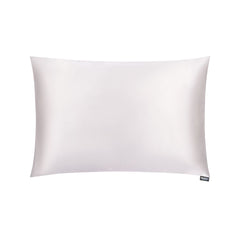
If you are looking for an accessible way to enjoy silk at home, explore our silk pillowcases or learn how to care for silk.
Related reading: whether silk pyjamas are worth it.
Price per metre, per garment or per artwork?
A metre of high-end fabric can be compared with another metre only if the width, quality and stage of production are similar. A finished coat includes cutting and sewing; a museum artwork may include years of experimental work and no retail price at all. This is why lists of “the ten most expensive fabrics” can disagree without either list being fully wrong. They may be measuring different things.
What makes a fibre costly?
Scarcity is one factor, but labour and processing matter too. A fine fibre may require careful collection, sorting, spinning and weaving. Poor yields or a slow process raise costs. Regulation and traceability can also affect a material’s supply. The vicuña example is especially sensitive because trade is linked to conservation and community livelihoods, as the CITES source explains.
Is expensive always better?
No. The rarest material can be unsuitable for everyday use, and an ornate garment may be priced for its design rather than the raw fibre. For bedding, the practical questions are whether the fabric feels good, fits the pillow, lasts under normal care and comes with clear information about what it is. A very costly novelty textile may not serve any of those needs.
How mulberry silk is made
Mulberry silk comes from silkworm cocoons. The fibre can be spun or reeled and then woven into fabrics of different weights and finishes. Those choices shape the final price. When comparing silk pillowcases, look for a clear fibre percentage and a stated weight rather than assuming that “silky” means silk. Our silk vs satin guide explains why the shine alone cannot settle the question.
Other luxury fibres
Cashmere, high-quality linen and specialised wool fabrics can also command high prices depending on quality and processing. They are not interchangeable with silk: each has a different feel, care routine and typical use. A luxury fabric is valuable when its characteristics suit the item being made, not merely when its name sounds rare.
A more useful way to judge value
- Identify the actual fibre and any blend.
- Check how the fabric was constructed and what the product is designed to do.
- Read care instructions and consider the cost of maintaining it.
- Look for trustworthy detail about sourcing and certification where claimed.
- Decide whether the price reflects something you will notice and enjoy.
How should you read a “world’s most expensive” claim?
Ask for a date, currency, unit and source. Does the figure describe raw fibre by weight, fabric by the metre, or a finished item sold at auction? Is the textile available to buy at all? Without that context, an impressive number may be impossible to compare with the price of everyday products. The spider-silk pieces at the V&A illustrate rarity and craftsmanship rather than a shopper’s price list.
Why does this matter for silk bedding?
Marketing sometimes borrows the language of rare museum textiles to make a pillowcase sound exceptional. For a purchase you will use nightly, practical details matter more: genuine fibre content, fit, finish, care and price. Mulberry silk can be a premium everyday choice without claiming to be the rarest fabric in the world.
Expensive fabrics FAQs
Is spider silk the most expensive fabric?
It can be extraordinarily rare, but unique museum textiles do not have a normal retail price that can be compared directly with commercial fabrics.
Is mulberry silk expensive?
It is generally a premium fibre. The finished price depends on weight, quality, size and construction.


Lascia un commento