

Silk pyjamas can make bedtime feel special, but are they worth the price? The honest answer depends on what you value: the feel of the fabric, how warm your room gets, the care you are willing to give it and how often you will wear them. Here is a practical look at the advantages and trade-offs.
What are the benefits of silk pyjamas?
The immediate appeal is the hand-feel. Smooth silk slides across the skin rather than gripping it, and a well-cut set can feel light without being flimsy. Silk is a natural protein fibre that can be woven into different weights. A loose fit also allows air to circulate around the body, which can feel comfortable for sleep.
That said, no fabric guarantees better sleep. Bedding, room temperature and the cut of the garment matter at least as much as the fibre.
Are silk pyjamas warm or cool?
Silk can feel cool when you first put it on and comfortable once it reaches body temperature. A lightweight set may suit a warm room; a heavier weave or added layer may suit cooler nights. If you often wake up hot, choose a relaxed fit and breathable bedding as well. If you feel cold, add a dressing gown or adjust the room before expecting one fabric to solve the problem.
Silk can absorb some moisture, but a damp nightshirt will still feel uncomfortable. Do not treat “temperature regulating” as a promise that you will never sweat.
Are silk pyjamas good for skin?
Many people simply prefer the smooth feel of silk against their skin. That is a comfort preference, not a treatment for eczema or an allergy. In a randomised trial of children with eczema, adding silk garments to standard care did not improve eczema severity. If a fabric or dye irritates you, stop using it and ask a clinician for advice.
Silk vs satin pyjamas
Silk names the fibre; satin names a weave. A satin set may be made from silk or from polyester. A polyester satin set can be smooth and less expensive, while silk offers a different natural-fibre feel and usually needs more careful washing. Read the care label and fibre content rather than judging by shine alone. Our silk vs satin guide explains the distinction in more detail.
What are the disadvantages?
- Price: A genuine silk set generally costs more than common cotton or polyester nightwear.
- Care: Follow the garment label. Silk often needs a gentle detergent and cool wash or hand wash; high heat can harm the finish.
- Fit and durability: Fine silk may snag. A set that is too tight at the seams will not feel luxurious for long.
- Personal preference: Some people prefer the crisp feel of cotton or the easy care of other fabrics.
Are silk pyjamas worth it?
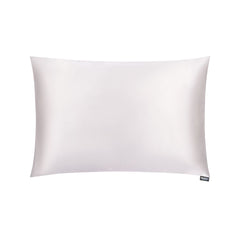
If you enjoy the feel, will wear the set regularly and are happy to care for it, silk pyjamas may be a worthwhile personal luxury. If you are uncertain, start with an item you use every night. A silk pillowcase brings a smooth fabric into your routine without replacing your whole wardrobe; a silk scrunchie is another small option. Both pair naturally with the hair-care tips in our overnight tangles guide.
Related reading: silk care tips.
How to choose a silk pyjama set
Start with the fibre label. “Silky” and “satin” do not guarantee silk content. Look for clear composition, a fabric weight and care instructions. A good cut matters: the top should move when you roll over, the waistband should stay comfortable while lying down and seams should not rub. Check the size chart rather than assuming your usual clothing size will fit the same way in nightwear.
Think about the season and your bedroom. A light set with short sleeves can feel very different from a long-sleeved set in the same fibre. If you use a warm duvet, do not expect the pyjamas alone to make the room feel cool.
How long do silk pyjamas last?
There is no universal lifespan. Fabric weight, construction, frequency of wear and care all affect durability. Fine silk can snag on jewellery or rough surfaces. Inspect seams and closures when shopping; a luxurious fabric still needs competent stitching. Following the label’s washing guidance can help preserve the surface and shape.
For a set you wear often, consider whether you have enough time to wash and dry it properly. If you prefer very low-maintenance nightwear, another fabric may give you better value even if silk feels beautiful.
Are silk pyjamas worth buying if you already have cotton?
Cotton is a good everyday choice for many people. It is familiar, widely available and often easier to wash. Silk offers a different smoothness and drape, which may be reason enough if you enjoy it. There is no need to portray cotton as harsh or harmful: fabric quality varies in both categories. Compare the specific garments, not stereotypes about the fibres.
If you want to explore silk without buying an entire set, begin with a pillowcase or scrunchie you can use regularly. That gives you a practical sense of the fabric’s feel and care requirements before a larger purchase.
Who might prefer another fabric?
Someone who wants to tumble-dry all nightwear, needs the lowest price, or dislikes delicate care may prefer cotton or polyester. Someone who is sensitive to a particular dye or finish should check the exact product and ask a clinician if they suspect an allergy. Silk is an option, not a necessity for good sleep.
Silk pyjamas FAQs
Are silk pyjamas breathable?
Silk is a natural fibre, but breathability also depends on fabric weight, weave, fit and what you wear underneath.
Are silk pyjamas hot in summer?
A loose, lightweight set may feel comfortable, but it cannot compensate for an overheated bedroom.
Can I wash silk pyjamas in a machine?
Follow the garment’s care label. If machine washing is allowed, use a cool delicate cycle, a suitable detergent and a laundry bag.


Lascia un commento