

Silk and satin pillowcases can look remarkably similar. Both have a smooth surface, a soft sheen and a more luxurious feel than an ordinary cotton pillowcase.
But silk and satin are not the same thing.
The simplest explanation is that silk is a natural fibre, while satin is a type of weave. Satin can be made from silk, but the satin pillowcases found on the high street are usually made from polyester.
That distinction affects everything from breathability and comfort to price and how the fabric feels after repeated washing. Here’s how to choose the right one for your sleep routine.
Is satin the same as silk?
No. Silk describes the fibre from which a fabric is made. Satin describes the way fibres are woven to produce a smooth, glossy surface.
A satin pillowcase could therefore be made from:
-
Polyester
-
Nylon
-
Viscose
-
Cotton
-
Silk
When a product is simply advertised as “satin”, checking the fibre composition will tell you what you are actually buying. If the label says polyester, it is a synthetic satin rather than silk. UK textile labelling guidance says products must show their fibre content, so check that information before comparing products: GOV.UK textile labelling guidance.
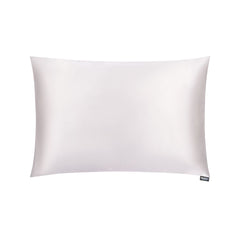
A genuine silk pillowcase should clearly state its silk composition. DREAMSILK pillowcases are made from 100% mulberry silk rather than polyester satin.

Silk vs satin pillowcases at a glance
Silk
Silk is a naturally derived protein fibre. It feels smooth without having the slippery, sometimes plastic-like finish associated with cheaper synthetic satins.
Quality silk is breathable, lightweight and comfortable across changing temperatures. Its price is higher because producing long, consistent silk filaments is more involved than manufacturing synthetic fibres.
Satin
Satin refers to the weave rather than the raw material. Polyester satin can create a glossy, smooth surface at a much lower price.
It offers an affordable introduction to smoother bedding, but its breathability, durability and feel depend heavily on the fibre and quality of the fabric. Some polyester satin pillowcases can feel warm or become rougher as they wear.
Which is better for your hair?
Both silk and smooth satin can feel gentler against the hair than a coarse fabric. Less resistance between the hair and pillow may mean less pulling as you move during the night.
This matters because hair friction contributes to tangling and affects how the hair feels and behaves. Hair that is bleached, coloured, heat-styled, curly or already dry can be particularly prone to friction and knotting. Research examines friction as a measurable property of human hair, but that research does not establish that a specific pillowcase prevents breakage: review the hair-friction research.
A silk pillowcase will not repair damaged hair or replace a good hair-care routine. What it can do is create a smoother surface for your hair to move across for seven or eight hours each night.
That may help you wake up with:
-
Fewer tangles
-
Less visible frizz
-
Better-preserved curls and waves
-
Fewer pillow-induced creases in styled hair
-
Less need for forceful morning brushing
Polyester satin may provide some of the same surface-level benefits. Silk combines that smoothness with the feel and breathability of a natural fibre.
Which is better for your skin?
The main practical benefit is again the smooth surface.
A pillowcase presses against the face for hours every night. A smoother fabric creates less drag as you turn over, which can feel more comfortable and may leave fewer temporary pillow marks in the morning.
Neither silk nor satin should be presented as a medical treatment for wrinkles, acne or a skin condition. Your skincare, sun protection, sleep quality and overall routine matter far more.
A clean silk pillowcase is simply a gentle, comfortable surface on which to sleep.
Silk vs satin for hot sleepers
Natural silk is valued for being lightweight and breathable. Many sleepers find that it feels comfortable without the clammy sensation sometimes associated with synthetic fabric.
Polyester satin is less breathable and can retain more warmth, although the result varies according to the fabric’s construction and quality.
If you regularly wake up feeling hot, the fibre content is worth checking rather than choosing on shine alone.
What does momme mean?
When comparing silk pillowcases, you will often see a momme rating. Momme measures the weight and density of silk fabric.
A very lightweight silk may feel delicate, while an extremely heavy fabric can lose some of the softness people want from bedding. DREAMSILK uses 19 momme mulberry silk, balancing softness, comfort and everyday durability.
Momme applies to real silk. It is not a meaningful quality measurement for polyester satin.
Is silk harder to care for?
Silk needs slightly more thoughtful care than polyester, but it does not need to become a household chore.
Use a cool, delicate wash with a detergent suitable for silk. Place the pillowcase inside a mesh laundry bag, avoid bleach and harsh stain removers, and let it dry naturally away from direct heat.
Always follow the care instructions supplied with your pillowcase.
Polyester satin is generally more forgiving and may suit someone whose main priority is easy washing at the lowest price.
How can you tell whether a pillowcase is real silk?
Start with the product description and care label. Look for:
-
A clear fibre composition
-
A stated momme weight
-
The type of silk used
-
Proper care instructions
-
Transparent product imagery
-
A returns policy that gives you time to assess the quality
Be cautious when “silky”, “silk-feel” or “satin” appears without a fibre percentage. Those descriptions do not necessarily mean the product contains silk.
Is silk worth the extra cost?
That depends on what matters most to you.
Choose polyester satin if you want a low-cost, smooth pillowcase and do not mind sleeping on a synthetic fibre.
Choose silk if you want the smooth surface together with a natural, breathable material, a softer hand-feel and a more luxurious finish.
A pillowcase is in direct contact with your hair and face every night. For many people, investing in better fabric here makes more sense than replacing an entire bedding set.
The verdict: silk or satin?
Satin is not automatically poor quality, and silk is not a miracle treatment. They are simply different products.
A polyester satin pillowcase is the affordable option. A genuine mulberry silk pillowcase offers the fuller experience: smoothness, breathability, natural fibres and a refined feel that synthetic satin struggles to reproduce.

If you are ready to make the switch, explore the DREAMSILK silk pillowcase collection, available in colours including white, champagne, bronze, silver, navy blue and black.
Explore related guides: how to prevent overnight tangles, protecting curly hair while sleeping, and silk pillowcase benefits for hair.
Silk vs satin FAQs
Is satin silk?
Not necessarily. Satin is a weave and can be produced using silk, polyester or several other fibres. Most inexpensive satin pillowcases are polyester.
Is silk better than satin for curly hair?
Both smooth surfaces may help reduce overnight friction. Silk also provides the comfort and breathability of a natural fibre, making it the more premium choice.
Does a silk pillowcase stop hair breakage?
No pillowcase can guarantee that hair will not break. A smoother sleeping surface may reduce some of the pulling and tangling that occurs overnight.
How often should you wash a silk pillowcase?
A weekly wash works well for many people, although oily skin, hair products or personal preference may mean washing it more frequently. Follow the care label and use a silk-safe detergent.


Deje un comentario