

If you wake up with knots at the nape of your neck or tangles through the ends, focus on what happens before and during sleep. Hair length, texture, dryness, existing damage and movement against bedding can all play a part. Here are twelve changes you can try without promising a miracle fix.
1. Detangle before bed
Work from the ends upward with a wide-tooth comb or brush suited to your hair. Hold the section above a knot so you do not pull at the roots. For curls, detangle at the stage of your routine that works best, often when conditioned and damp rather than dry.
2. Do not go to bed with dripping-wet hair
Wet hair can be more vulnerable to stretching and damage. Give it time to dry, especially near the nape where strands can bunch together. If you must sleep before it is fully dry, avoid tying it tightly.
3. Try a loose braid
A relaxed braid keeps long strands together. Start with hair that has been gently detangled and secure the end without pulling it taut. If a braid leaves creases you dislike, try one very loose plait or a different style.
4. Keep curls high with a loose pineapple
Gather curls near the crown so you are less likely to sleep directly on them. Use a soft, wide scrunchie and avoid tension at the hairline. Our curly hair overnight guide covers this in more detail.
5. Swap a tight tie for a softer one
Any accessory can pull if used tightly. A silk-covered scrunchie gives the hair a smoother contact surface, while a gentle hold may reduce dents and snagging. See our scrunchie comparison.
6. Consider a smooth pillowcase
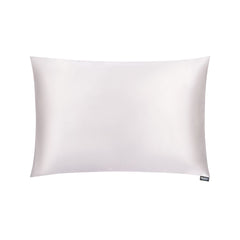
Hair moves against your pillow every time you turn. A silk pillowcase gives it a smooth surface. That may help some people manage friction and morning frizz, though hair condition and styling still matter.
7. Keep the pillowcase clean
Product build-up and oils can make bedding feel less fresh. Wash your pillowcase at the interval recommended on its care label and keep your hair tools clean too.
8. Use leave-in care suited to your hair
A small amount of a suitable conditioner or detangling product can improve slip for dry lengths. Start lightly; too much product can make fine hair feel heavy. Follow the product directions rather than layering several treatments at once.
9. Avoid rough handling after washing
Instead of vigorously rubbing wet hair with a towel, squeeze out water and use a gentle towel or soft T-shirt. Detangle with patience. Reducing daytime damage can make night-time tangles easier to manage.
10. Trim damaged ends when needed
Split, rough ends can catch one another. A trim will not alter your hair type, but removing heavily damaged ends may make the hair easier to comb.
11. Check for rubbing at the nape
Scarves, high collars and even the way you sleep may concentrate tangles at the back of the neck. If knots always form in one place, try changing how you gather that section before bed.
12. Adjust the routine to your texture
Fine, straight hair may prefer a loose braid and very little product. Dense curls may do better with a pineapple, bonnet or sectioned twists. A bonnet and pillowcase can be used together. There is no single right overnight hairstyle.
When should you ask for help?
Sudden severe matting, noticeable hair loss, scalp pain or persistent breakage deserves advice from a hair professional or healthcare professional. A pillowcase cannot diagnose or treat those issues.
If your main challenge is how the style looks in the morning, read what causes bed head. For a simple sleep setup, explore our silk scrunchies and pillowcases.
Why hair tangles more overnight
At night, your hair is free to move for several hours without you noticing. Long strands can cross over one another, while an existing rough spot on the hair shaft can catch its neighbours. The back of the head and nape often bear the most contact with bedding. A knot may then tighten when you roll over, especially if you pull through it in the morning.
That does not make one fabric or one hairstyle the sole cause. Fine hair can knot because individual strands are easy to move; curly hair can knot because neighbouring strands naturally curve around each other; bleached or heat-damaged hair may have a rougher surface. Hair extensions add another set of attachment points. Look at where the tangles form before choosing a fix.
A routine for long hair
For long straight or wavy hair, start by removing existing tangles before bed. Apply your usual leave-in product only if the ends need it. Make one loose braid, keep the tension away from the roots and secure the end with a soft tie. If you sleep on your back and the braid gets trapped under your shoulders, move it over one shoulder or try two looser braids. In the morning, undo the style before brushing and work from the ends upward.
If a braid leaves a wave you do not want, try a loose low bun or a very soft wrap. Do not force a single method for every hairstyle. The best test is whether the routine leaves fewer knots and feels comfortable enough to repeat.
A routine for fine hair
Fine hair can be weighed down by heavy overnight products. Try a light conditioner during washing, a careful detangle and a clean pillowcase before adding more treatments. A very tight ponytail may leave a sharper crease than the original tangles. If a loose braid slips out, use a soft scrunchie at the end and avoid wrapping it more times than necessary.
Pay attention to friction at the nape. A scarf, high collar or rough pillow cover may touch the same area for hours. Changing just one of these can help you learn which factor matters most.
A routine for curls and coils
For curls, detangle at the point in your wash routine that avoids pulling apart the pattern. A pineapple can lift the ends away from the pillow, while loose twists or braids may work for longer styles. A bonnet can contain the hair; a smooth pillowcase can be a comfortable backup if the bonnet comes off. Do not use a style that pulls around the hairline or makes the scalp sore.
In the morning, give curls time to settle before deciding they need a complete wash. Refresh flattened sections with the method and product that normally works for you. A little water, finger shaping or a light product may be enough. Our curly hair guide has a fuller comparison of bonnets and pillowcases.
What if the knot is already there?
Do not yank through a tight mat with a brush. Hold the hair above the knot, add a detangling product if appropriate and work on small sections from the outside in. If a knot is close to the scalp or is painful, a hairdresser can often help remove it more gently than a rushed home attempt. Cutting out a large section should not be your first move.
Repeated severe matting deserves closer attention. Ask whether the hair is breaking, whether a new product or extension changed your routine, or whether scalp symptoms have appeared. For sudden hair loss or a painful scalp, seek medical advice.
How to tell whether a change helps
Try one change for a couple of weeks rather than buying several products at once. Count how often you need to detangle in the morning, where knots form and whether the style is comfortable. If a new scrunchie helps but a new pillowcase makes no noticeable difference for you, that is a valid result. Keep the changes that make mornings easier.
Silk, satin or cotton pillowcase?
Silk is a fibre and satin is a weave. A satin pillowcase can be made from silk or polyester, and both can feel smoother than a coarse cover. A well-made cotton pillowcase can also be comfortable; it is inaccurate to call every cotton fabric rough. The useful comparison is the feel of the specific pillowcase, its fibre content, how you care for it and whether your hair catches on it at night.
If you want a natural-fibre option, mulberry silk may appeal. If budget and easy laundering lead your decision, polyester satin may suit you. Neither material can guarantee tangle-free mornings. Read our silk-versus-satin guide for the full comparison.
Scrunchie, braid or bonnet: which first?
Choose based on the source of your tangles. If long hair knots along its length, a loose braid may make the biggest difference. If a ponytail tie catches hair during removal, try a gentler tie and unwind it rather than pulling it down. If curls lose their shape against the pillow, a bonnet or pineapple may help keep them contained. If you dislike headwear, a smooth pillowcase may be more sustainable for your routine.
Start with the simplest change you will actually do. A complicated night routine that you abandon after two days will not tell you much.
How to avoid damage when taking a style down
Morning removal is as important as bedtime styling. Undo braids from the ends, not the roots. Slide a scrunchie off gently after loosening it; never pull it through a knot. If a bonnet band has left a line, check whether it is too tight. Work on tangled sections with patience and use a suitable detangler when needed.
Try not to judge a style solely by whether the hair looks perfect as soon as you remove it. Give it a few minutes to fall into place before brushing or restyling.
Extensions, bleached hair and extra-fragile lengths
Extensions have attachment points where loose strands can catch. Follow the stylist’s care instructions and avoid sleeping with wet roots or bonds if they advise against it. Bleached or heavily heat-styled hair can also have rougher ends. Treat it gently during washing, drying and detangling, and ask a professional if breakage continues.
A silk pillowcase may be a helpful comfort choice in these situations, but it is not a substitute for the care recommended for your specific hair or extensions.
What about hair products overnight?
Leave-in conditioners and oils can help some hair types feel easier to manage, but applying a lot before bed can leave the hair heavy or the pillowcase covered in product. Start with the amount recommended for your hair type and watch the result. If your scalp feels irritated or your hair is greasy in the morning, reassess the product rather than adding more.
Keep a short tangle diary
For one or two weeks, note the condition of your hair at bedtime, the style you used and where knots formed by morning. Record whether you slept with wet hair, a scarf or a new product. Patterns become easier to spot when you have a few examples. You may discover that only wash nights cause trouble, or that one side of the nape catches repeatedly. Then the fix can be specific rather than expensive.
Three mistakes to avoid
Do not braid hair so tightly that it pulls at your scalp, even if the style looks neat. Do not sleep on a soaked pillowcase or leave hair wet inside a style that cannot dry comfortably. And do not expect a silk accessory to undo existing damage. The goal is to make the next morning gentler, not to prove that one product can solve every cause of tangling.
Over time, your best routine may change with hair length, colouring, season or the way you sleep. Revisit the steps when your hair starts behaving differently.
Overnight hair tangles FAQs
Why does my hair knot at the back while I sleep?
Movement, friction, dryness and the hair’s condition can combine at the nape. A loose style and gentle detangling may help.
Should I braid my hair every night?
Only if the braid is comfortable and loose. Avoid styles that pull at the scalp or leave your hair damp for hours.


Leave a comment